Most food expiration dates are about quality, not safety. USDA FSIS says "best if used by" marks peak flavor, "sell-by" tells the store how long to display a product, and "use-by" is the last date for peak quality. Only infant formula needs a federally required date. Food handled properly is generally safe past its date unless it shows spoilage.
Key facts
- Federal law requires a date only on infant formula; other dates are voluntary (USDA FSIS).
- "Sell-by" isn't an expiration date: it's for store stock, not for safety.
- Eggs keep 3–5 weeks in the fridge from purchase, even if the sell-by date passes (USDA FSIS).
- On USDA-graded egg cartons, the 3-digit pack date runs from 001 (January 1) to 365 (December 31).
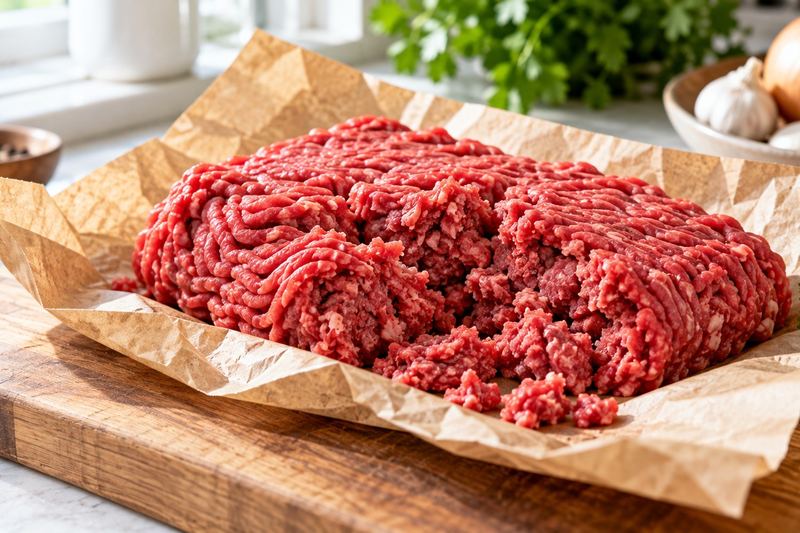
- Raw chicken and ground meat keep 1–2 days in the fridge; steaks, chops and roasts 3–5 days. Freeze to stop the clock.
What do expiration dates on food mean?
An expiration date on most US food is the maker's estimate of when it will taste and look its best, not the day it becomes unsafe. USDA's Food Safety and Inspection Service (FSIS) says dates on meat, poultry and egg products are voluntary, but if a maker uses one it must be truthful and follow FSIS rules. Here's what each phrase means:
| Label | What it means | Safety date? |
|---|---|---|
| Best if used by / before | When the product has the best flavor or quality | No |
| Sell-by | How long the store should display the product, for stock rotation | No |
| Use-by | The last date recommended for peak quality | Only on infant formula |
| Freeze-by | When to freeze the product to keep peak quality | No |
| Pack date or code | When the product was made or packed; used for tracking and recalls | No |
FSIS recommends "Best if Used By" because research shows shoppers read it correctly, as a quality date. USDA estimates about 30 percent of the food supply is lost or wasted at the retail and consumer levels, and confusion over date labels is part of the reason.
Which food dates are required by law?
Infant formula is the only food that must carry a federally required date. FSIS explains that formula must have a "use-by" date and that you shouldn't buy or use formula after that date. For everything else, dating is voluntary under federal rules. FSIS does set one format rule: shelf-stable and frozen meat, poultry and egg products that are dated must show the year as well as the month and day, with a phrase such as "Best if Used By" next to the date.
Is the sell-by date the expiration date?
No. A sell-by date tells the store how long to keep a product on display; it isn't the last day you can eat it. FSIS says food that passes its date while stored at home is generally still safe if it was handled properly, kept cold and shows no signs of spoilage. What decides how long it keeps is the type of food and how you store it, so count from the day you bring it home and use the fridge times below.
Does best by mean expired?
No. "Best by" or "best if used by" is about flavor and texture. Past that date, a properly stored food may be a little less fresh, stale or less flavorful, but FSIS doesn't treat the date itself as a safety cutoff.
What does a use-by date mean?
Under FSIS definitions, a use-by date is the last day recommended for peak quality. It's a safety date only on infant formula. For other foods, plan to use or freeze the product by that date, and if it's past, check it for spoilage before eating.
How to read expiration dates and codes
Some packages show a plain date; others show a code. FSIS calls these closed or coded dates: letters and numbers that record when a product was made. Codes on cans are mainly for tracking, stock rotation and recalls, and aren't meant for shoppers to interpret as a deadline. If you see a code instead of a date, use storage guidelines to decide how long to keep the food.
Date on egg cartons: the Julian pack date
USDA-graded egg cartons carry a three-digit pack date, sometimes called a Julian date. It counts the days of the year: 001 is January 1 and 365 is December 31, so 032 is February 1. FSIS also limits the other dates on graded cartons:
- Sell-by or EXP: no more than 30 days after the pack date.
- Use-by or best before: no more than 45 days, counting the pack date.
Sell-by and expiration dates aren't federally required on eggs. FSIS notes that some states require them and some don't allow sell-by dates on eggs at all.
Can you eat eggs after the expiration date?
Usually, yes. FSIS says raw eggs in the shell keep 3 to 5 weeks in the refrigerator, counting from when you buy them, and the sell-by date will often pass during that time. The FDA suggests using them within 3 weeks for best quality. Keep eggs in their original carton, which also keeps the pack date with them, in the coldest part of the fridge rather than the door.
Before using an older egg, crack it into a separate bowl. An off smell or unusual look means throw it out. The float test only shows an egg's age, not whether it's safe; see how to tell if eggs are bad and how long eggs last. Hard-boiled eggs keep 1 week (see hard-boiled egg storage).
How long is meat good after the sell-by date?
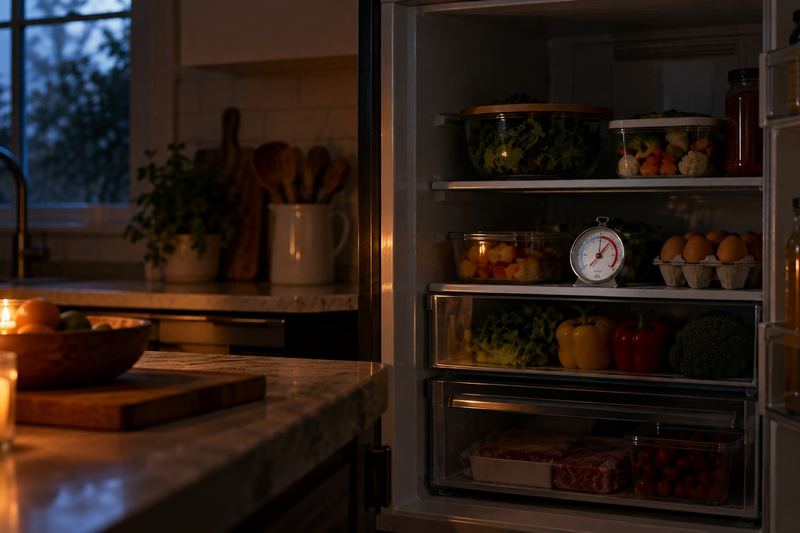
For raw meat and poultry, ignore the sell-by date and count from the day you buy it. These FoodSafety.gov refrigerator times assume the fridge is at 40°F (4°C) or below:
| Food | Fridge time from purchase |
|---|---|
| Raw chicken and poultry | 1–2 days |
| Ground beef and other ground meat | 1–2 days |
| Steaks, chops and roasts | 3–5 days |
| Bacon | 1 week |
| Hot dogs | 2 weeks unopened; 1 week opened |
| Lunch meat | 2 weeks unopened; 3–5 days opened or deli-sliced |
If you can't cook it in time, freeze it. Food kept frozen at 0°F stays safe indefinitely; freezer times are only about quality. See how to freeze meat. FSIS also notes that a change in color on meat or poultry isn't by itself a sign of spoilage; check smell and texture instead, as described in how to tell if meat is bad.
Canned food expiration dates
Canned food keeps a long time, but not forever. FSIS says high-acid canned foods keep best quality for about 12 to 18 months, and low-acid canned foods for about 2 to 5 years. Throw out any can that is dented, rusted or swollen, whatever the date says.
Dairy, bread and other everyday foods
The same principle applies across the fridge and pantry: store food properly and judge by its condition, not just the date. Opened milk keeps about 1 week, yogurt 7–14 days and store-bought bread 3–5 days on the counter. Details are on milk, yogurt and bread. Discard bread or soft foods with mold rather than cutting it away.
What to do with food past its date
- Check for spoilage. FSIS says spoiled food develops an off odor, flavor or texture; don't eat it. When in doubt, throw it out.
- Keep it cold. Refrigerate perishables promptly and keep the fridge at 40°F or below (see what temperature a refrigerator should be). Don't leave perishable food out more than 2 hours.
- Freeze before it's too late. Freezing by the use-by or freeze-by date keeps quality.
- Never use infant formula after its use-by date.
- Follow storage times too. A food that looks fine can still be past its safe fridge time, so go by the storage charts as well as your senses.
Questions people ask
Do eggs go out of date?
Eggs lose quality slowly. FSIS says raw shell eggs keep 3–5 weeks in the fridge from purchase, often past the carton date. Discard any egg that smells off when cracked.
Can you eat chicken past the sell-by date?
Raw chicken keeps 1–2 days in the fridge from the day you buy it, regardless of the sell-by date. Cook or freeze it within that window.
What's the difference between best by and expiration date?
"Best by" is a quality date. Many products use "expiration" loosely, but FSIS treats dates other than infant formula's as quality guides; on graded egg cartons, an EXP date can be no more than 30 days after packing.
Can food banks give out food past its date?
Yes. FSIS says food banks and consumers can use food past its date if it shows no signs of spoilage.
Is it safe to eat canned food past the date?
Usually, if the can is in good shape. Throw out cans that are dented, rusted or swollen.